
Administrative activity
Changes made with privileged accounts, especially outside normal hours.
Collecting logs is easy and nearly useless on its own. What makes it worthwhile is a defined scope, alerts tuned so they are credible, and an agreed review cadence with someone accountable for it.
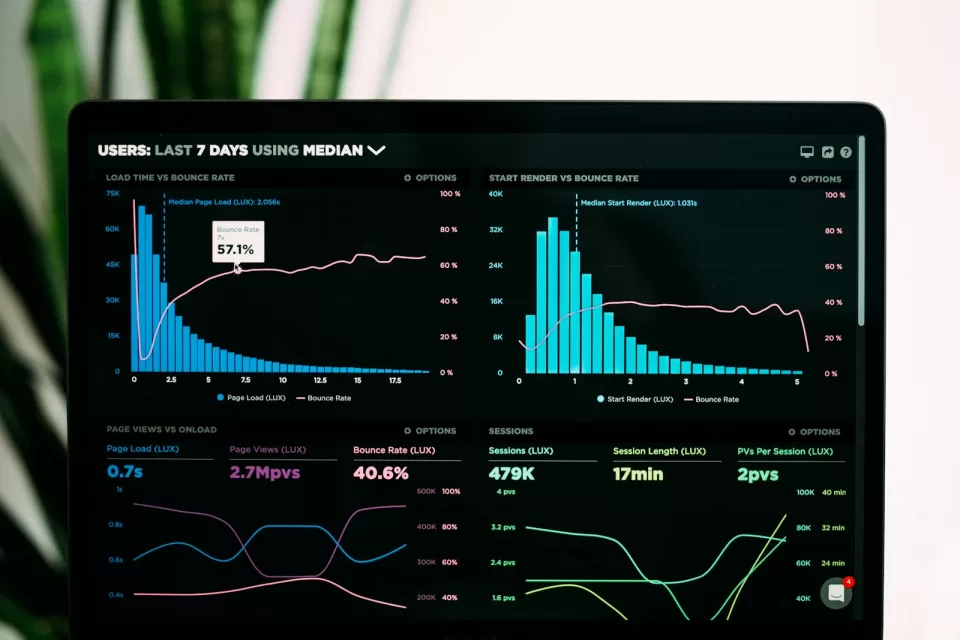
SIEM projects fail in a predictable way: everything is ingested, costs rise, alerts are noisy, people stop reading them, and the platform becomes an expensive log archive. Deciding what to collect and what constitutes an alert worth waking someone for is the part that determines whether it works.
Licensing, log ingestion, retention and analyst coverage are scoped and quoted separately, because they are the costs that grow.
Changes made with privileged accounts, especially outside normal hours.
Patterns rather than individual events — spraying, impossible travel, repeated lockouts.
Detections that EDR raised and nobody acknowledged.
When elevated rights are used, and by whom.
Blocked and allowed traffic that does not match the expected pattern.
Mass renames, encryption patterns and unusual access to data stores.
Microsoft Sentinel is a common and sensible choice where the organization already runs Microsoft 365 and Entra ID. Other platforms suit other estates. The selection should follow your existing stack and the scope you are funding, not a preference of ours.
Not unless it is explicitly contracted. Analyst coverage is scoped separately and stated in the agreement. We would rather sell you honest business-hours coverage than imply round-the-clock attention you are not paying for.
It depends on volume, which depends on what you collect — which is exactly why scoping comes first. We model expected volume before committing you to a platform.
Tell us what you would want visibility over and who would act on an alert.
Share the problem, the platform and the deadline. We will come back with an approach, a team and an estimate.